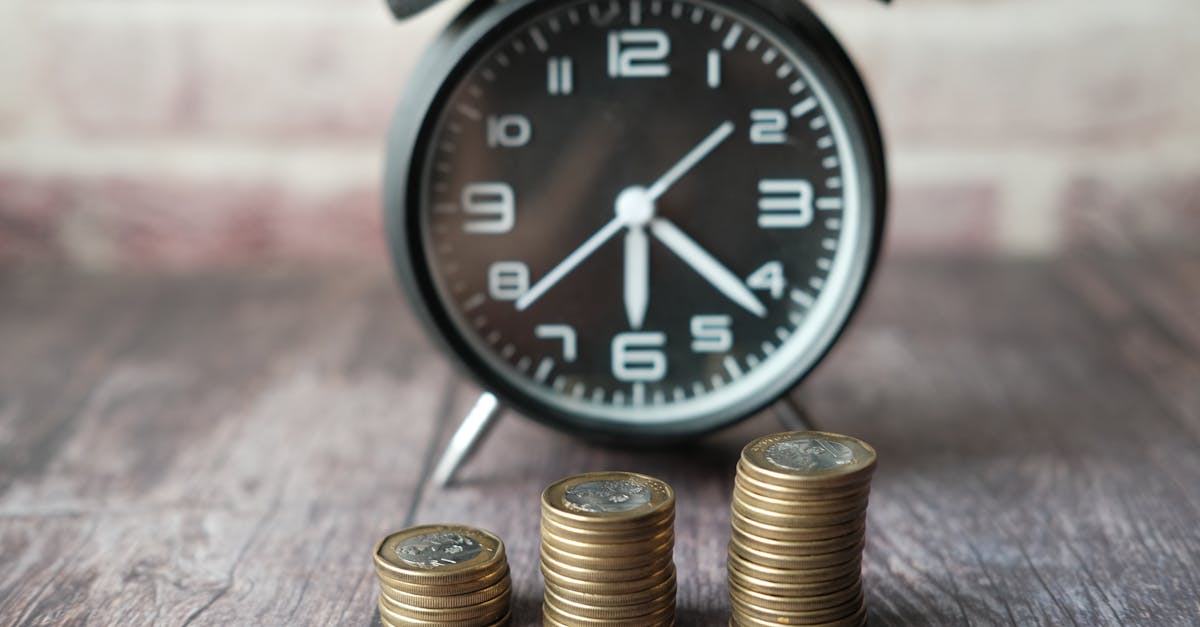
How to Make Financial Progress Even During Hard Times
Economic downturns feel like a storm blowing through your house. The windows rattle, the roof leaks, and suddenly, every financial decision feels like a matter of survival. But here is the secret that the wealthy have known for generations: some of the most significant wealth building occurs when the economy is struggling. It sounds counterintuitive, right? When the world is telling you to hunker down and hide your wallet, you are actually in a prime position to build a stronger foundation. This guide will show you how to stop merely surviving and start making actual progress, regardless of what the headlines say.
The Psychology of Scarcity versus Abundance
When times get tough, our brains naturally shift into a scarcity mindset. We start thinking that there is not enough to go around. It is like being in a crowded room where someone yells fire; the urge to panic is physical. To make financial progress, you must consciously rewire this. Instead of thinking about what you are losing, think about how you can optimize what you still have. It is the difference between seeing a shrinking pile of sand and seeing a pile of potential bricks to build a fence around your family’s future.
Conducting a Ruthless Financial Audit
Before you can move forward, you have to know where you are standing. Most people live in a state of financial fog, guessing where their money goes. A ruthless audit is your flashlight. You need to pull your statements from the last three months and categorize every single transaction. Be honest with yourself. Did you really need that subscription service you haven’t opened in weeks? Is that monthly convenience fee actually doing anything for you? This step isn’t about shaming yourself; it is about reclaiming control. You cannot steer a ship if you do not know where the holes are.
Identifying the Difference Between Needs and Wants
In comfortable times, the lines between needs and wants get blurry. We start to view nice to haves as absolute requirements. In hard times, you need to sharpen that line. A need is anything that keeps you housed, fed, and capable of earning income. Everything else is a variable expense. When you categorize items this way, you realize that your budget is a collection of choices. Every dollar you spend on a want during a recession is a dollar that isn’t working to protect your future security.
Why Your Emergency Fund Is Your Best Friend
Think of an emergency fund as your personal insurance policy against life’s unpredictable nature. If you do not have one, your number one goal is to start one today, even if it is just a tiny amount. Having cash on hand means you do not have to put car repairs or medical bills on a high interest credit card. It keeps you from drowning when the waves get high. Without it, you are one bad day away from a financial crisis. Build it slowly, but build it surely.
Tackling Debt When Interest Rates Rise
Debt is like a weight dragging you down in deep water. When the economy is rough, that weight becomes much heavier. High interest debt is the enemy of progress. If you are paying 20 percent interest on a credit card balance, you are effectively running on a treadmill that is tilted upward. You are working hard, but you are not getting anywhere. You must prioritize killing this debt as quickly as possible. Every dollar of interest you pay is a dollar that could have been invested in your own stability.
Smart Debt Repayment Strategies
There are two main ways to approach this: the avalanche method and the snowball method. The avalanche method focuses on the highest interest rate first, which saves you the most money mathematically. The snowball method focuses on the smallest balance first, giving you quick psychological wins. Choose the one that keeps you motivated. Remember, this is not a race against others; it is a marathon against your own liabilities. The goal is to get to zero debt so that your income belongs to you again.
Diversifying Your Income Streams
Relying on a single paycheck is a risky game in today’s economy. Think of your income like a table with only one leg. If that leg gets kicked out, the whole thing falls over. You want a table with four or five legs. This does not mean you need to work yourself to exhaustion. It means finding ways to create small, auxiliary streams of revenue. Maybe it is selling things you do not use, picking up a freelance project, or leveraging a skill you already have. Multiple streams turn your financial structure from a wobbly stool into a sturdy platform.
Investing in Yourself for Future Growth
The best asset you own is your own brain and your ability to work. In hard times, companies might stop hiring, but they never stop needing people who can solve complex problems. If you want to progress, invest in your own human capital. Learn a new piece of software, get a certification in your field, or improve your communication skills. These things make you more valuable, regardless of the economy. When the storm eventually clears, the person who invested in their skills will be standing at the front of the line for better opportunities.
Choosing the Right Side Hustle
Not all side hustles are created equal. Some require a huge time commitment for very little pay. Look for opportunities that allow you to scale or build a portfolio. If you are a graphic designer, focus on freelance gigs that showcase your work. If you are good with numbers, look for bookkeeping projects. The goal is to build something that adds value to the marketplace while putting extra cash in your pocket.
Beating Inflation Through Budgeting
Inflation is the silent thief that steals your purchasing power. When prices rise, your dollar buys less than it did yesterday. To fight back, you must be a smarter consumer. Buy in bulk where it makes sense, switch to generic brands for pantry staples, and look for ways to cut utility costs. Small, habitual changes in your spending patterns can have a massive impact over the course of a year. It is about playing the long game with every penny.
The Role of Investing During Market Volatility
It is tempting to stop investing when the market is red, but that is often the time when the biggest growth seeds are planted. When stocks are down, you are essentially buying assets at a discount. If you have a long term horizon, market dips are like a clearance sale at your favorite store. Do not panic sell. Keep your contributions consistent and let the power of compounding do the heavy lifting for you. You are building wealth for a future version of yourself, not for the current news cycle.
The Long Term Perspective of Wealth Creation
Financial progress is rarely a straight line upward. There will be setbacks, unexpected expenses, and moments of doubt. That is perfectly normal. The key is to keep your eyes on the horizon. Wealth is not built in a week or a month; it is the result of thousands of small, disciplined decisions made over many years. Stay the course, trust your plan, and do not let temporary setbacks distract you from your long term goals.
Maintaining Emotional Balance During Economic Shifts
Your mental health is just as important as your net worth. Stressing about money 24/7 will lead to burnout, which makes it harder to be productive. Find healthy ways to cope. Exercise, get outside, and spend time with people who support you. Remember that your value is not defined by the balance in your bank account. A clear, calm mind is a much better tool for navigating financial trouble than a panicked, anxious one.
Final Thoughts on Financial Resilience
Making financial progress during hard times is not about magic. It is about grit, discipline, and the willingness to look at the truth of your situation. By cutting the waste, protecting your emergency fund, attacking high interest debt, and investing in your own value, you build a fortress that can withstand almost anything. You are not just trying to get through the hard times; you are preparing to thrive when the season changes. Start with one small step today, and let the momentum carry you forward.
Frequently Asked Questions
1. Is it better to pay off debt or save money during a recession?
Generally, you should prioritize building a small emergency fund first to cover unexpected expenses. Once you have that cushion, aggressively pay down high interest debt, as that is essentially a guaranteed negative return on your money.
2. Should I stop investing if the economy is crashing?
If you have a long term perspective and your basic needs are met, continuing to invest allows you to purchase assets at lower prices, which can significantly boost your returns once the market recovers.
3. How can I start a side hustle without any extra money?
Focus on service based hustles that use skills you already possess, such as tutoring, freelance writing, consulting, or local service work. These require your time and knowledge rather than upfront capital investment.
4. How do I stop the fear of losing money from stopping me from taking action?
Education is the antidote to fear. When you have a solid plan and understand your numbers, the mystery behind your finances disappears, making it much easier to make rational decisions rather than emotional ones.
5. How long does it usually take to see progress?
Financial progress is cumulative. While you might see immediate relief from cutting unnecessary expenses, significant wealth building is a slow process that typically takes months to years of consistent, disciplined action.