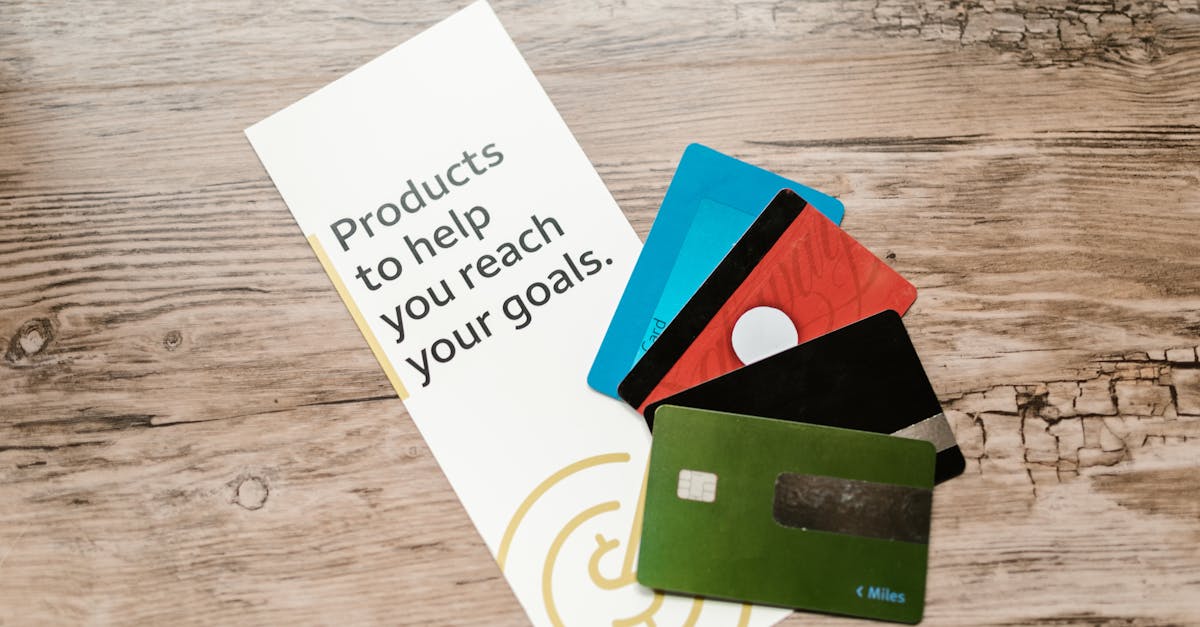
The Art of Balancing Your Bank Account
Have you ever looked at your bank statement at the end of the month and wondered where all your hard earned cash actually went? You are definitely not alone. Most of us feel like our money just disappears into a black hole of subscriptions, takeout food, and random impulse buys. But here is the secret: managing money is not about restriction or suffering. It is about making smart tradeoffs. Think of your money like a limited resource of energy. If you spend it all in one place, you have nothing left for the things that actually move the needle in your life. This guide is all about helping you shift your perspective from just surviving to actually thriving by making conscious, intentional choices every single day.
Understanding What a Financial Tradeoff Really Means
At its core, a financial tradeoff is simply the act of giving up one thing to get something else that you value more. Imagine you are at a buffet. You have a limited amount of space on your plate. If you fill it up with cheap bread rolls, you have no room for the prime rib. That is a tradeoff. In personal finance, every single dollar you spend is a choice. When you buy a brand new smartphone you do not really need, you are essentially trading away your future freedom, your early retirement, or perhaps that dream vacation you have been talking about for years. It is not just about the price tag; it is about the ripple effect that purchase has on your entire financial ecosystem.
Identifying Your Core Financial Values
Before you can make a smart tradeoff, you have to know what actually matters to you. If you do not have a compass, you are just going to wander around in circles. Ask yourself, what brings you genuine joy? Is it travel? Is it financial security? Is it being able to support your family? For some people, buying a luxury car is a complete waste of money. For others, it is an investment in their comfort and happiness. There is no right or wrong answer here, provided you are being honest with yourself. When your spending aligns with your values, you stop feeling guilty about your choices because you know exactly why you are making them.
Why Opportunity Cost is Your Biggest Secret Weapon
Opportunity cost is a fancy economic term, but it is actually a very simple concept. It is the value of the next best alternative that you give up when you make a decision. If you spend fifty dollars on a night out, the opportunity cost is not just the fifty dollars. It is the potential growth of that fifty dollars if it were sitting in an investment account. While that sounds intense, thinking this way changes how you view every transaction. It forces you to ask, is this item worth more to me than the future freedom this money could provide? When you look at purchases through the lens of opportunity cost, you suddenly find yourself saying no to things that used to seem like automatic yeses.
Moving Beyond the Latte Factor: Is It Really About Coffee?
You have probably heard the advice to stop buying lattes if you want to become a millionaire. While the sentiment is about being mindful, I think it misses the mark. It is not about the coffee. It is about the habit. If you love coffee and it starts your day off perfectly, that is a high value purchase. However, if you are mindlessly buying a five dollar drink every day just because it is there, that is a leak in your bucket. The goal is to plug the leaks that bring you zero value while continuing to enjoy the things that make your life better. Do not cut the things you love; cut the things you do not even notice.
How to Prioritize Your Financial Goals Effectively
We all have too many goals. We want to pay off debt, save for a house, travel the world, and retire by forty. If you try to do everything at once, you will end up doing nothing well. You need to rank your goals. Think of this as a triage system. What is the most urgent? What will provide the most long term impact? Maybe paying off high interest credit card debt is your number one priority because it is costing you the most money. Once that is handled, you can move your energy to the next big goal. Write them down and visualize the finish line for each one.
Short Term Pleasure Versus Long Term Security
Our brains are hardwired to want immediate rewards. It is a leftover instinct from our ancestors who had to grab calories whenever they could. Today, that instinct makes us crave fast food and instant shopping. To make smart tradeoffs, you have to actively fight this wiring. You are essentially training your brain to appreciate delayed gratification. This is like a muscle that grows stronger the more you use it. Start small. Instead of buying a toy on impulse, wait a week. If you still want it, then go for it. You will find that the urge often fades, and your wallet stays a little fuller.
The Power of the Twenty Four Hour Pause Rule
The twenty four hour rule is one of the most effective tools in your financial toolkit. If you see something you really want that is not a necessity, put it on a list and wait twenty four hours. Often, the excitement of the impulse purchase wears off after the sun goes down. If you still feel the same way the next day, you can revisit the decision. This simple buffer creates space between your emotion and your action. It stops you from buying things in the heat of the moment and gives you time to think about whether this tradeoff truly serves your life goals.
Automating Your Way to Smarter Decisions
Willpower is a finite resource. If you have to make the decision to save money every single month, eventually you will get tired and quit. Instead, remove the human element. Automate your savings, your investments, and your bill payments. When the money leaves your paycheck before you even see it, you are forced to live on what remains. This is the ultimate tradeoff because you are choosing your future self over your current impulsive self without having to think about it twice. Make the hard decisions once and let the systems handle the rest.
Fighting the Battle Against Lifestyle Creep
As you start making more money, the temptation to spend more money grows exponentially. This is called lifestyle creep. You get a raise, so you buy a nicer car. You get a bonus, so you move into a bigger apartment. Before you know it, you are broke despite earning a higher salary. The key to staying ahead is to keep your spending relatively flat while your income grows. By consciously choosing not to upgrade your lifestyle immediately, you create a massive surplus that can be funneled into assets that grow over time. It is not about living in poverty; it is about living below your means so you can eventually have more than enough.
When Tradeoffs Become Investments in Your Future
Sometimes the best tradeoff is spending money today to save money tomorrow. For example, investing in a high quality winter coat might be more expensive than a cheap one, but if it lasts five years instead of one, it is a smarter deal. Similarly, investing in your health, education, or skills often yields the highest returns. These are not just expenses; they are entries in your personal capital account. When you make a purchase, stop and ask yourself: is this just consuming value, or is it building it?
Avoiding the Guilt Trap When You Splurge
Life is meant to be lived. If you spend your whole life obsessed with saving every penny, you might wake up with a huge bank account but no memories to show for it. It is perfectly okay to spend money on things that bring you happiness. The trick is to budget for it. If you have a guilt free spending category for fun or luxury, you can enjoy it completely. When you have a plan, you do not need to feel guilty because that money was already allocated for that exact purpose. It is all about intention, not restriction.
Tracking Progress and Adjusting Your Strategy
You cannot improve what you do not measure. You do not need to be a math genius to track your money, but you do need to know the basics. Are you moving closer to your goals or further away? Review your progress monthly. If a certain tradeoff is not working, adjust it. If your income changes, update your budget. Your life is dynamic, so your financial strategy should be too. Treat your finances like a business, and you will be the CEO of your own success.
The Role of Safety Nets in Making Bold Tradeoffs
It is hard to make smart, long term decisions when you are constantly worried about a flat tire or a broken laptop. This is why having an emergency fund is so critical. It is your financial cushion. When you have that safety net in place, you are not forced into making desperate, high interest decisions. You can choose to wait, you can choose to shop around, and you can make the best tradeoff for your situation rather than the one that just solves the immediate crisis. Security provides the mental space required for wisdom.
Mastering Your Money Through Conscious Choices
Making smart tradeoffs with your money is the ultimate form of self care. It is about taking charge of your destiny rather than letting your impulses dictate your path. By identifying your values, understanding opportunity cost, and automating your systems, you stop drifting and start driving. You do not have to be perfect; you just have to be consistent. Every dollar is a vote for the type of life you want to live. Start making those votes count, and you will be amazed at how quickly your financial landscape begins to transform. Your future self is already thanking you.
Frequently Asked Questions
1. How do I start making tradeoffs if I am already living paycheck to paycheck?
Start by tracking your expenses for one month to identify any non essential habits. Even small cuts can free up room to build a tiny buffer, which will eventually give you more choices in how you manage your money.
2. Is it bad to spend money on experiences like travel instead of saving?
Not at all. If experiences align with your core values, they are valid investments. Just ensure you have balanced these experiences with your long term savings goals so you are not compromising your future security.
3. How can I differentiate between a need and a want?
A need is essential for your survival or your ability to function in your job. A want is something that enhances your comfort or entertainment. If you find yourself justifying a purchase with phrases like “I deserve it,” it is likely a want.
4. How much should I aim to save for an emergency fund?
A good starting point is three to six months of your essential living expenses. This provides enough security to handle most unexpected life events without going into debt.
5. Should I stop all spending until I am completely debt free?
Total austerity is usually unsustainable and leads to burnout. It is better to live on a strict budget that allows for minimal personal enjoyment while aggressively tackling your debt. This keeps you motivated for the long haul.